
Aldous Huxley’s Psychedelic Influence
How to Change Your MindHuxley’s mescaline experience gives cultural language to psychedelic perception, shapes therapeutic ideas, and leaves later generations questioning how much the writer created what he described.
increasing Bearing strength in each event
 decreasing
Bearing strength in each eventdecreasingA Writer Seeks the Experience

Mysticism Before Mescaline
Existing interests
Huxley already explores consciousness, religion, and mind-altering substances in his writing. His encounter with mescaline begins within a substantial intellectual and spiritual framework.
A researcher’s invitation
Humphry Osmond supplies the drug partly because Huxley’s literary ability may help describe an experience scientists cannot yet interpret.
The Doors Open

A New Description of Perception
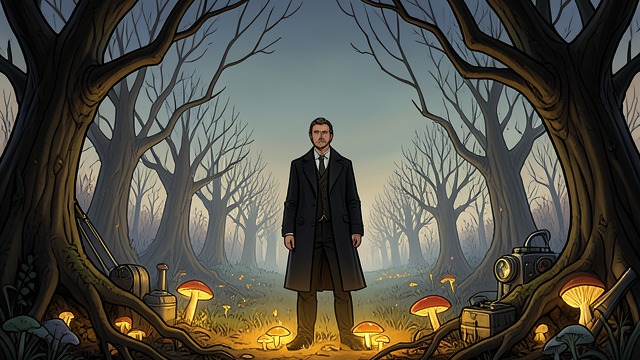
Ordinary things become radiant
Huxley experiences everyday objects as newly significant and describes access to a wider field of awareness. The language of revelation becomes central to later psychedelic accounts.
A framework travels
His account makes the experience culturally legible, but also inflects what future participants expect to see. A literary description becomes part of the setting before later journeys begin.
A Name for the Experience

Coining Psychedelic
A correspondence
Huxley and Osmond exchange proposed names for the drugs. Osmond’s term emphasizes mind-manifesting effects without explicitly declaring madness or spiritual truth.
A durable category
The word gives researchers a shared description, though its meaning later becomes entangled with counterculture. The name helps organize a field and cannot keep it neutral forever.
A Vision Beyond Treatment
Spiritual Access and Social Hope
More than clinical utility
Huxley regards psychedelic experience as too valuable to limit to laboratory work or illness. He imagines a broader transformation in how people perceive themselves and the world.
A difference in pace
He shares hopes for change with Leary but worries that Leary’s public strategy moves too quickly. Their disagreement reveals that shared belief does not guarantee shared methods.
A Final Experiment
LSD at the End of Life
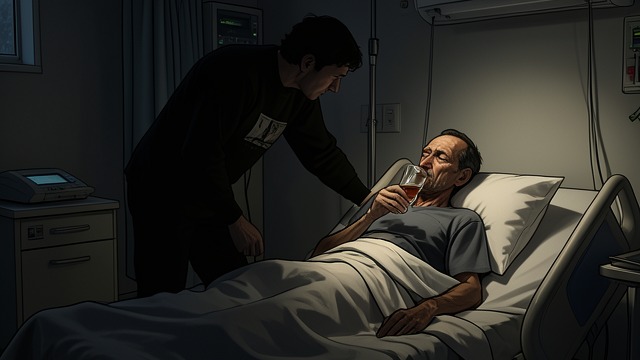
A deathbed request
Huxley has Laura administer LSD as he approaches death, acting on the possibility that psychedelic experience might alter the process of dying.
An idea outlives him
His proposal helps establish a question later revisited in cancer trials: can a temporary loosening of selfhood reduce fear of death? The book presents the idea as a legacy, not a settled answer.
Before 1953
In the spring of 1953
In 1956
During the mid-1950s
November 22, 1963
